What is a DSP? A plain-English guide to demand-side platforms
If you've ever wondered how the ad on a website got there, start here. We explain what a DSP does, how it fits into the ad-buying world, and why it matters for your budget.
Read the guidePlain-English guides to programmatic advertising — how the auctions work, how machine learning buys smarter, and how to read the numbers that matter. No jargon left unexplained.
New to programmatic? Start with the guided path →
If you've ever wondered how the ad on a website got there, start here. We explain what a DSP does, how it fits into the ad-buying world, and why it matters for your budget.
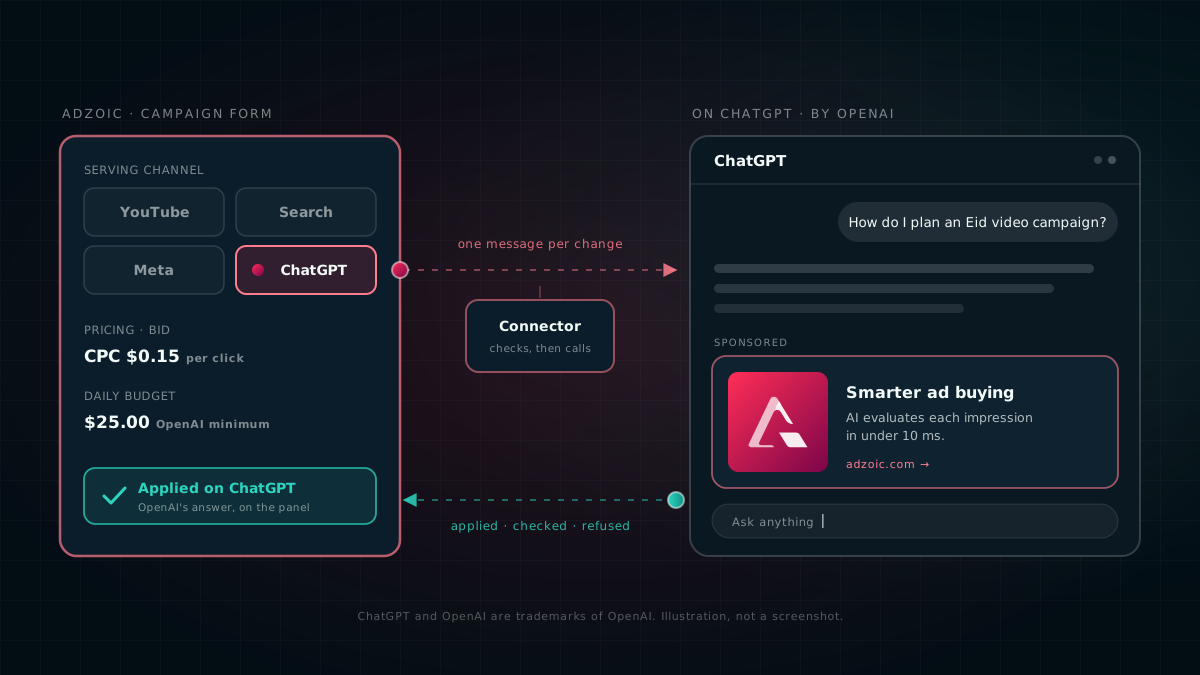
Read the guidePick ChatGPT next to YouTube, Search and Meta. The dashboard builds the campaign on OpenAI, keeps it in step, and shows you OpenAI's answer to every change.
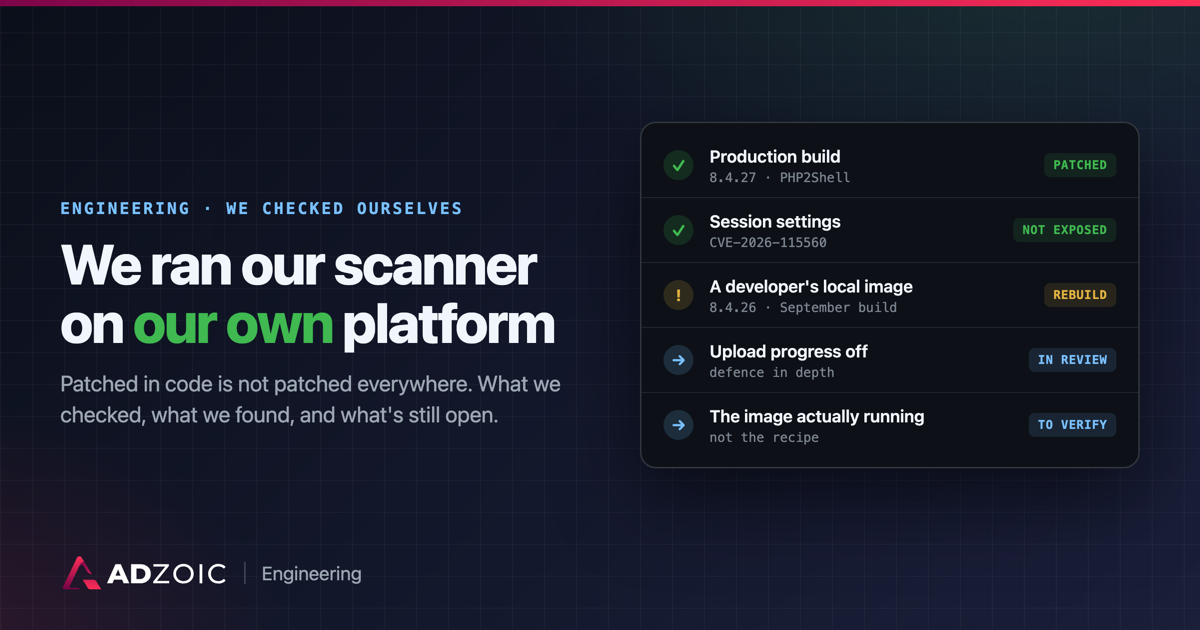
EngineeringPatched in code is not patched everywhere. What we checked for PHP2Shell and CVE-2026-115560, what we found, and what is still open.
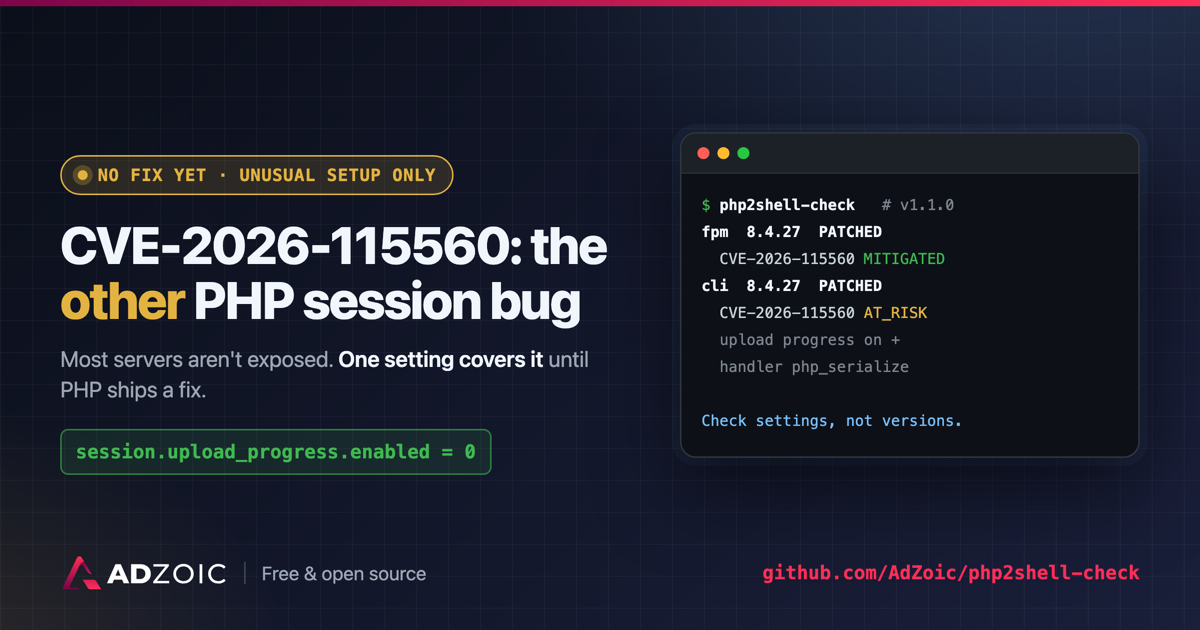
EngineeringPHP has no fix yet, but only an unusual setup is exposed, and one setting covers it. How to check every server and every PHP-FPM pool.
A critical PHP flaw runs attacker code before your app even starts. We open-sourced php2shell-check, a free scanner that finds every PHP and tells you what to fix.
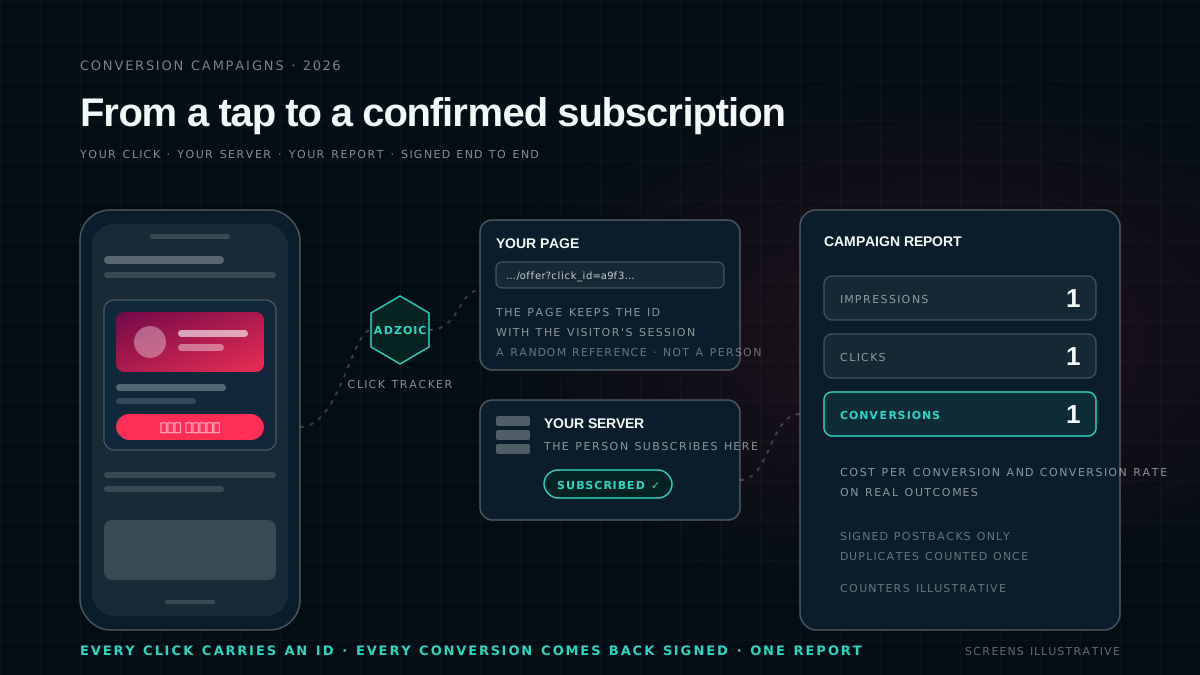
Every click carries an ID, every conversion comes back from your own server, signed. How it works, what your developer builds in about an hour, and how we go live together.
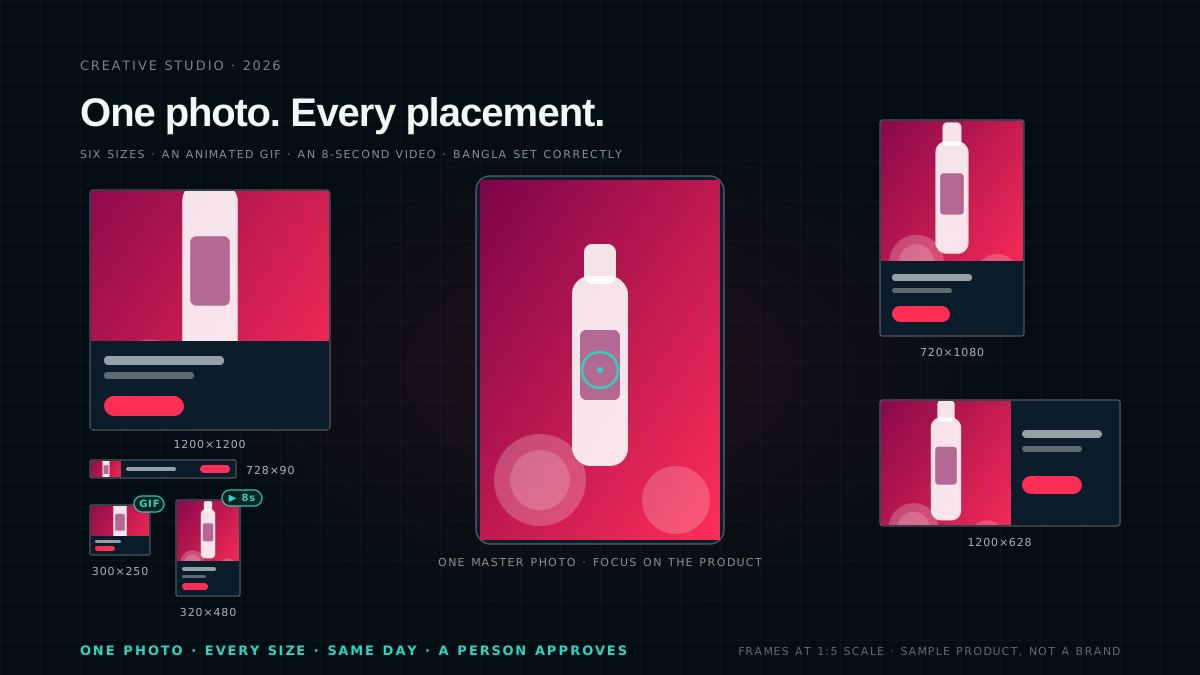
Six sizes, a light GIF and an 8-second video from one photo and a short message, with Bangla set correctly and AI-suggested designs a person approves.
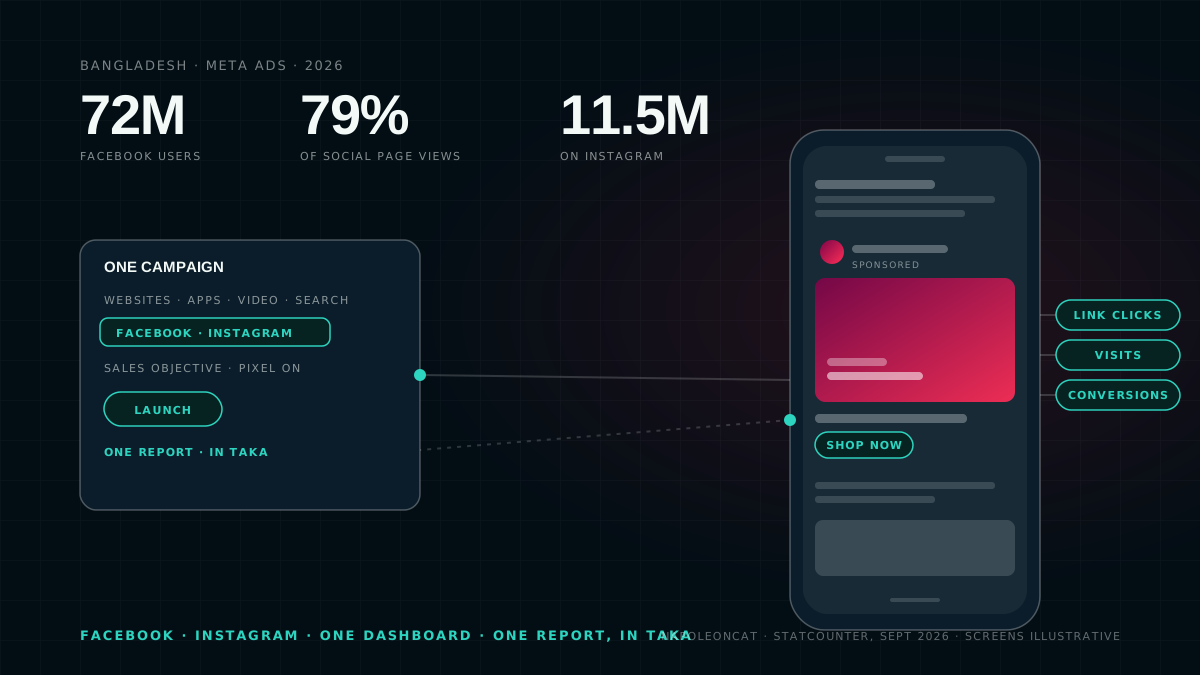
Facebook and Instagram are where Bangladesh scrolls. Two lessons from our own Meta campaigns, how AdZoic runs Meta from the same dashboard as every other channel, and seven rules that work here.
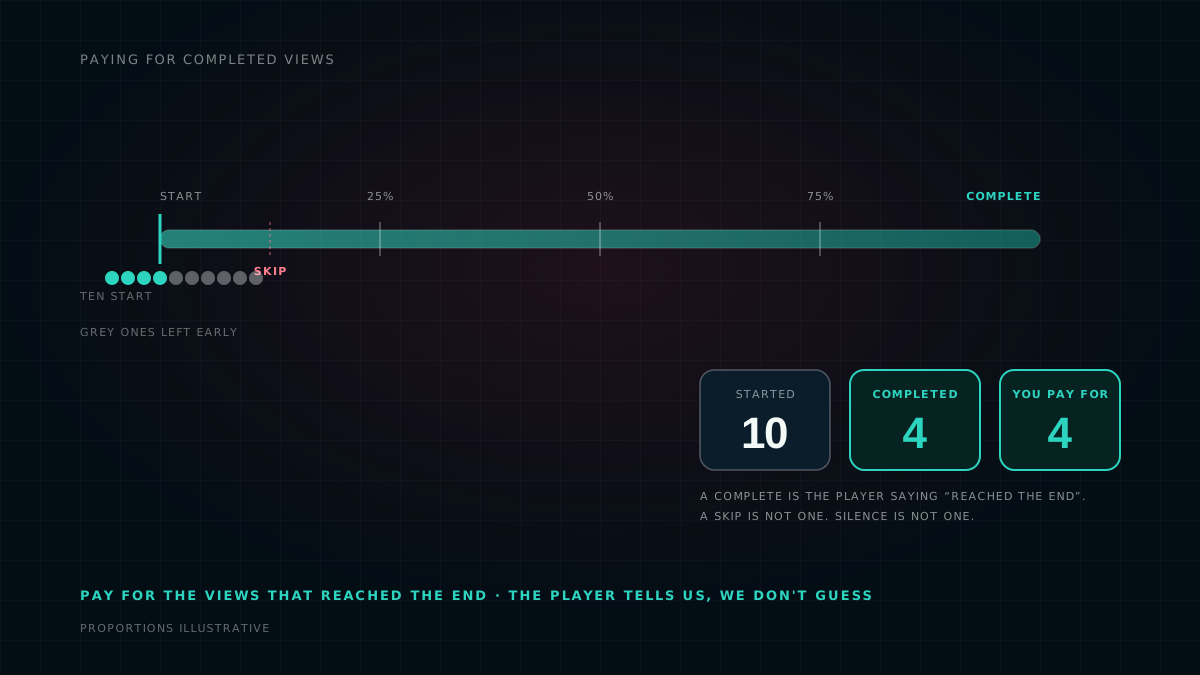
A completed view is the player saying the ad reached its end. How we hear that signal even when the ad is not ours, estimate how often it will come, bid without guessing, and report it honestly — corrections included.
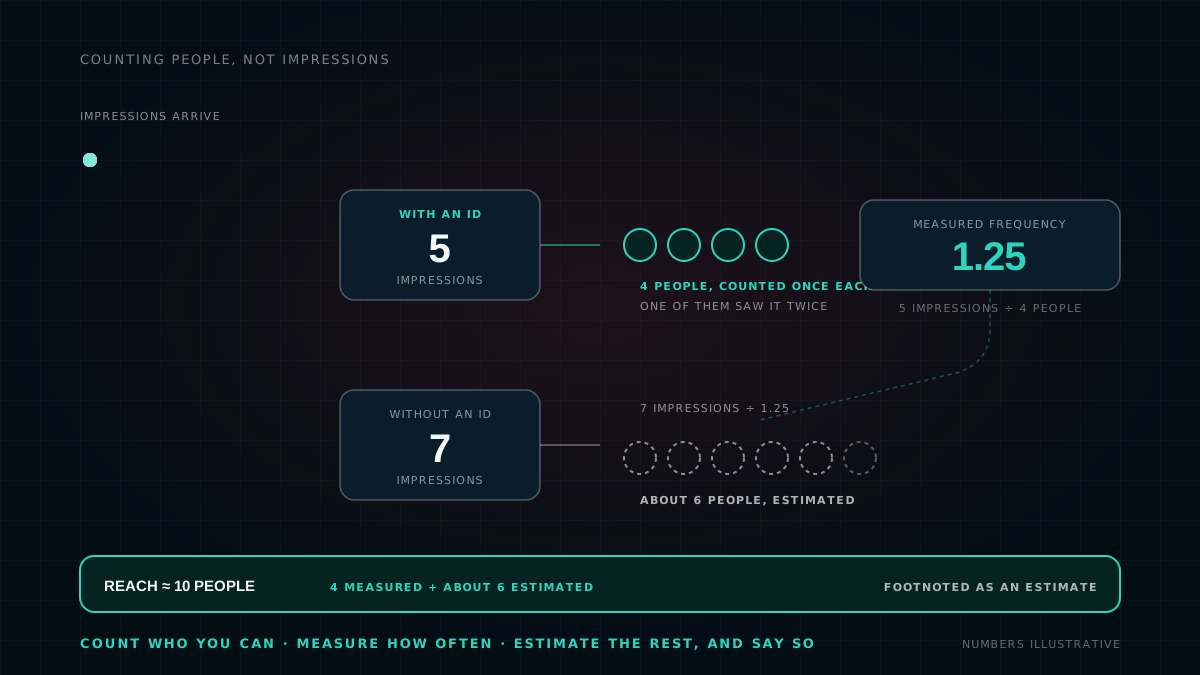
Reach is a count of people, never a sum of days. How we count the people we can identify once each, measure how often they saw the ad, estimate the rest from that frequency, and say so on every report.
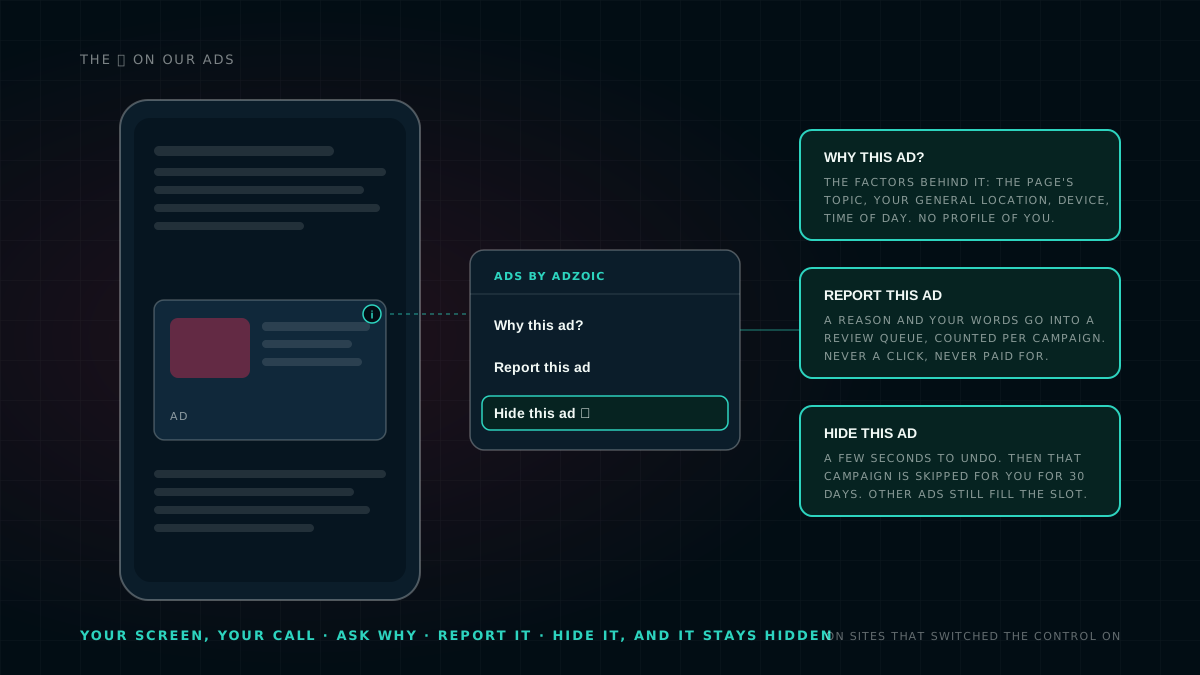
Tap the mark on one of our ads and a menu opens: why this ad, report this ad, hide this ad. What each one does behind the scenes, which ads carry the mark, and what it can never do.
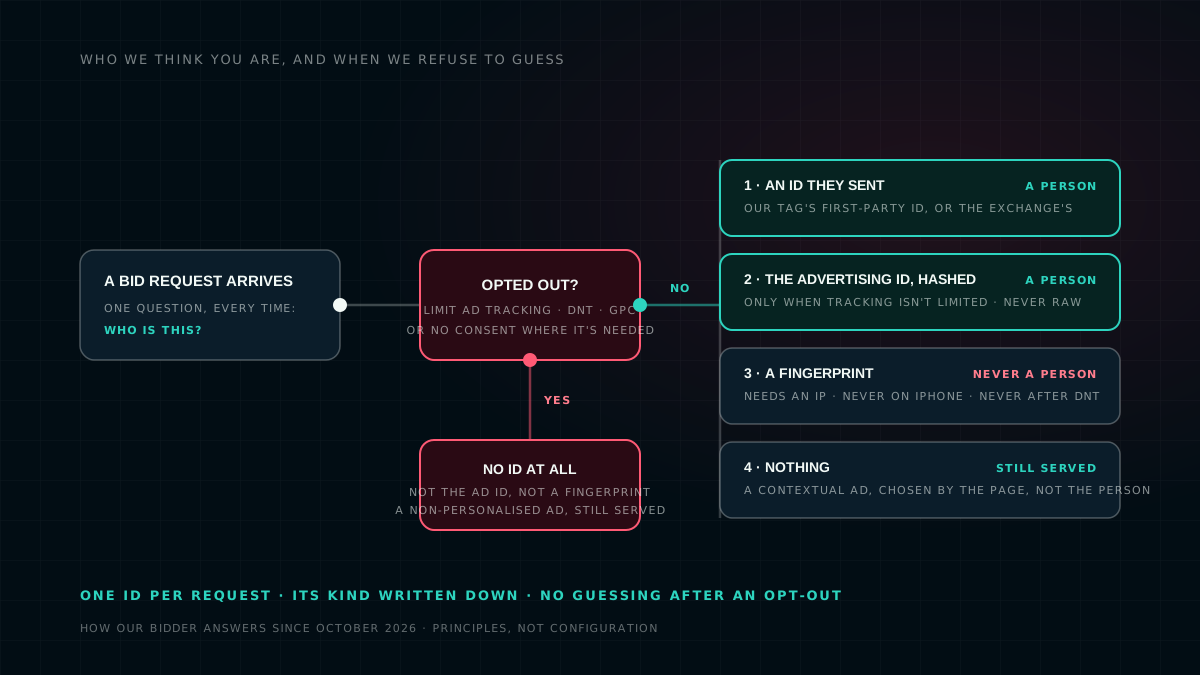
One id per request, its kind written down, an opt-out gate first, and a fingerprint that may never be a person. How our bidder answers the question every ad request asks — and what it refuses to do.
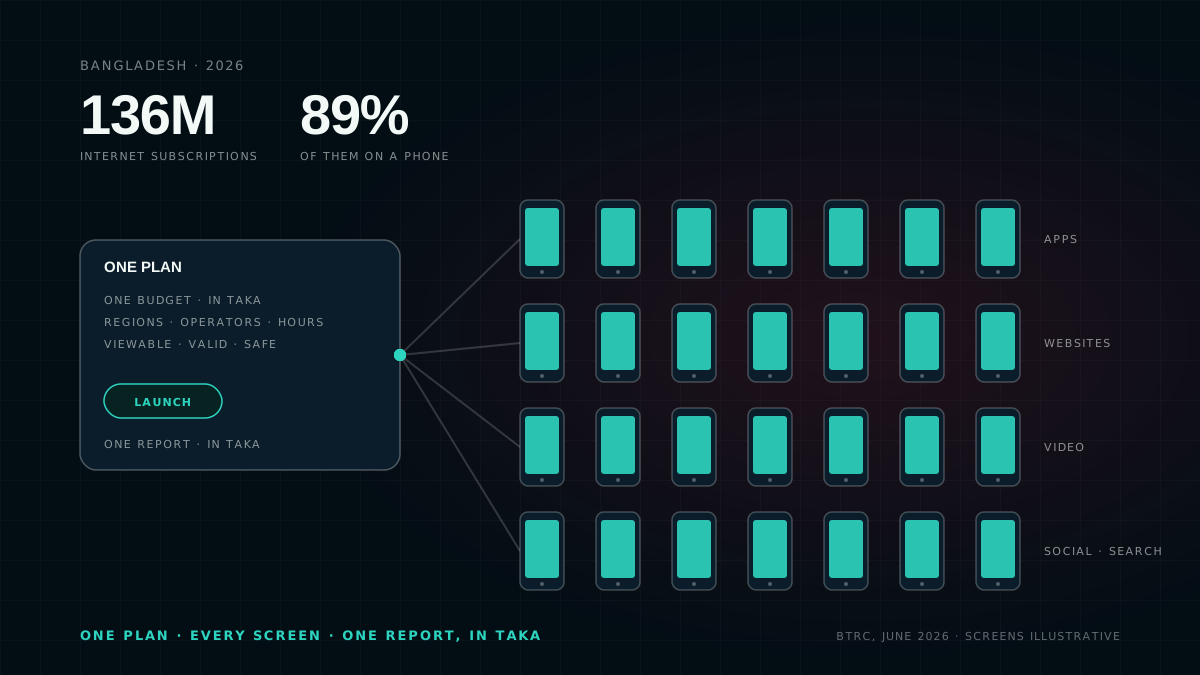
Bangladesh's digital market in 2026 in numbers, where ad budgets leak between the plan and a person, and a seven-step plan to reach every screen from one dashboard — in taka.
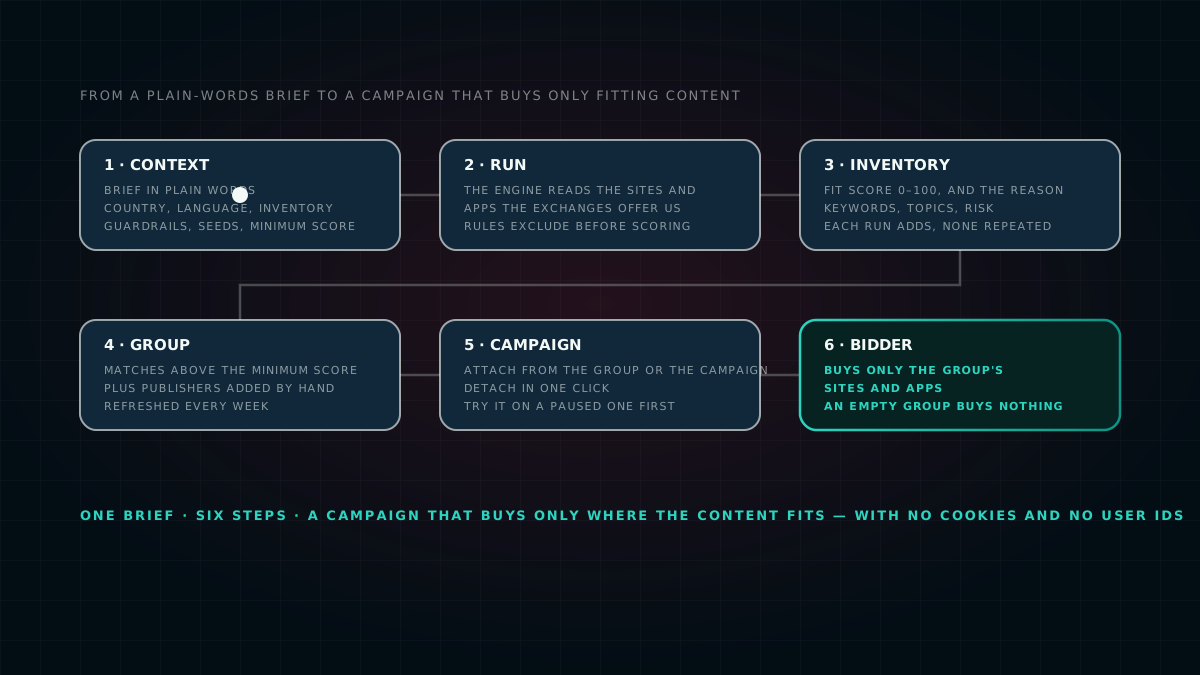
Describe the brand in plain words. AdZoic reads the sites and apps we're offered, scores each for fit, explains why, and the campaign buys only there — no cookies, no user IDs.
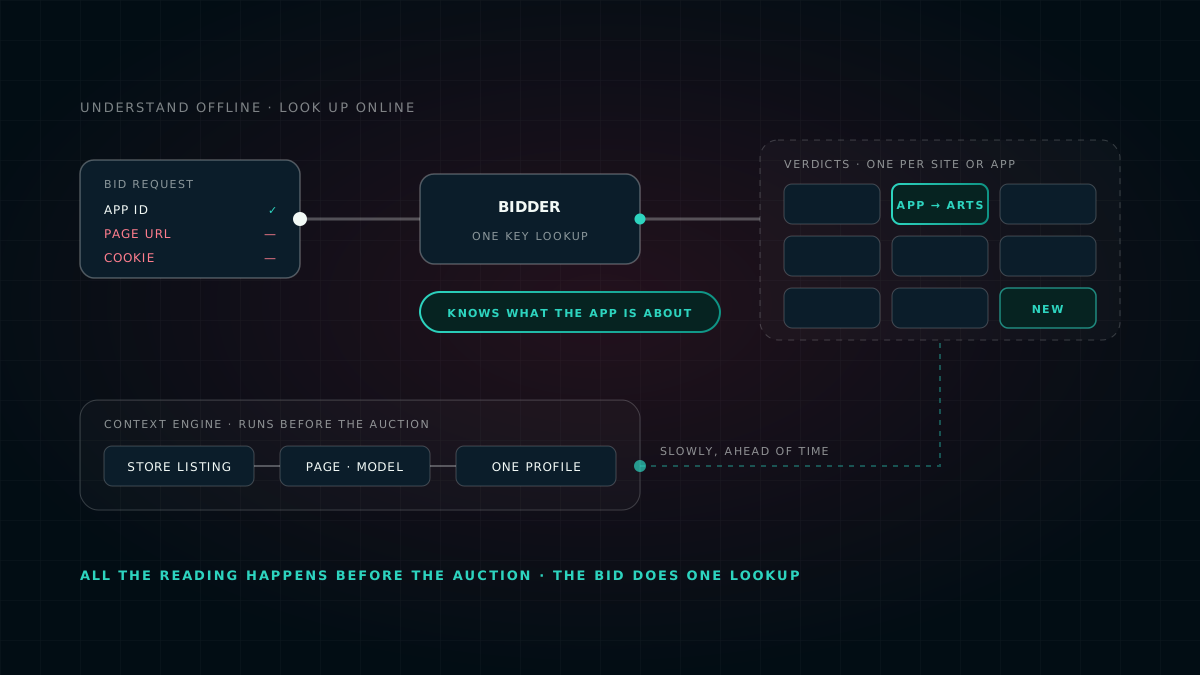
Most of our bid requests arrive with no page to read. How we understand sites and apps before the auction and look them up in a fraction of a millisecond — without cookies or device IDs.
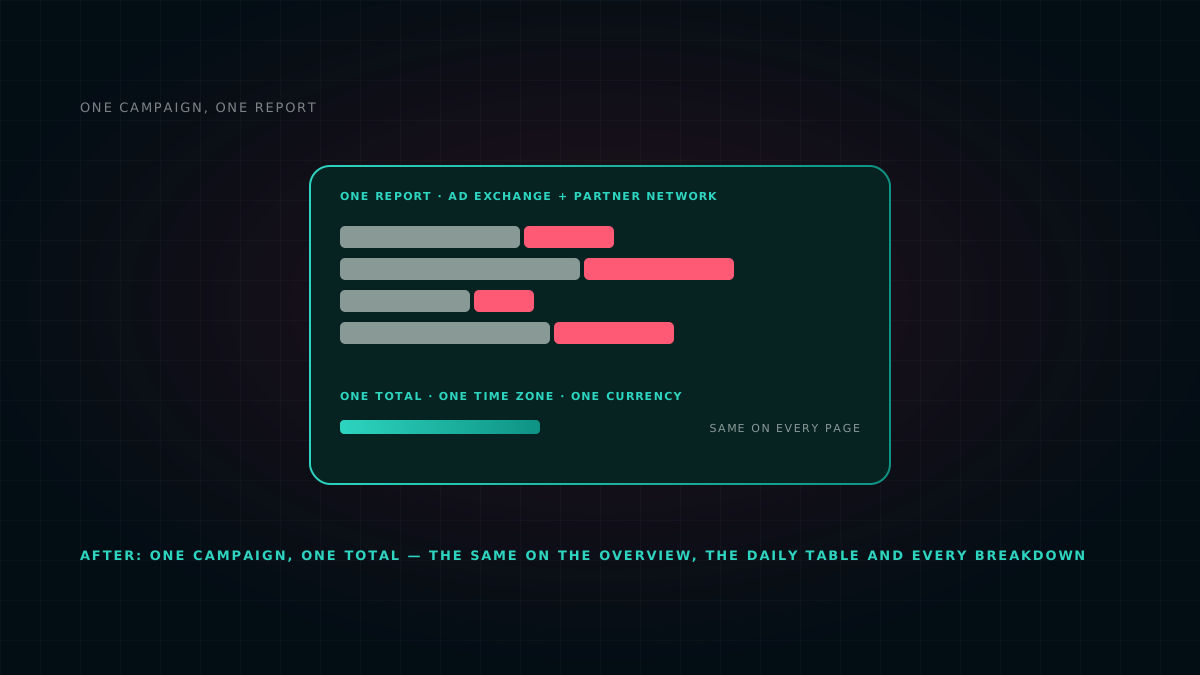
Two dashboards, two sets of numbers, one frustrated client. How delivery from ad exchanges and partner networks becomes one report with one total — and metrics that hold up when a client asks how they were counted.
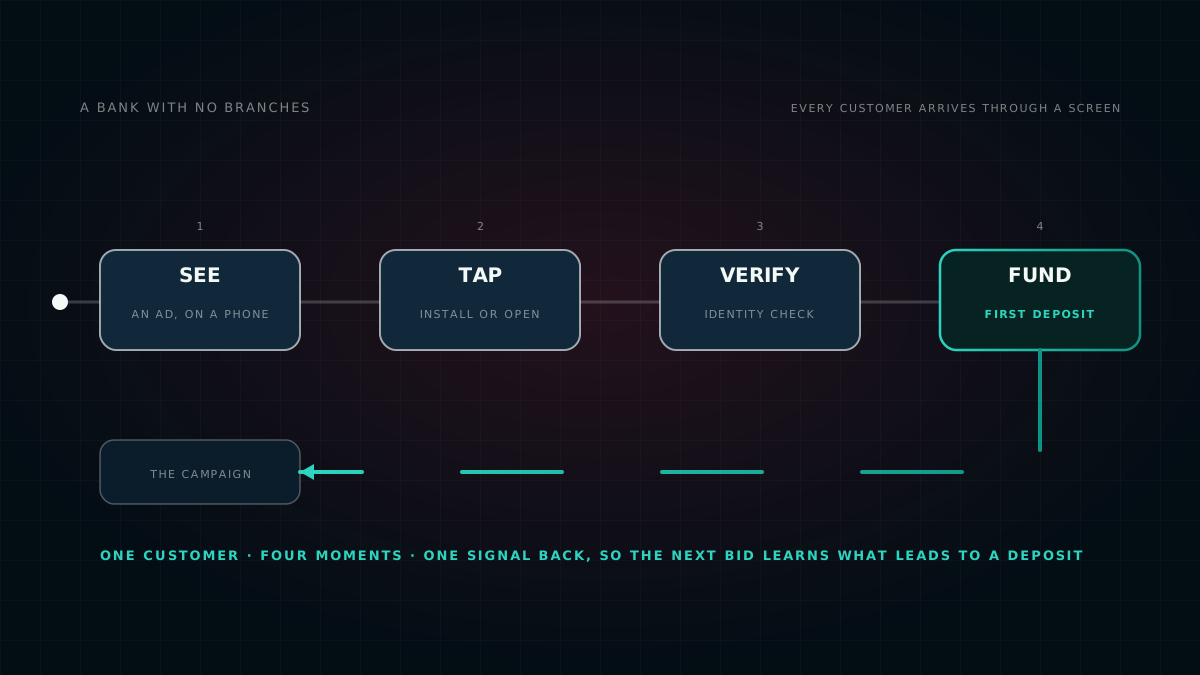
Bangladesh just cleared five digital banks to launch, joining six other Asian markets. How a bank with no branches reaches people, what to run at each stage, and how to measure the deposit rather than the click.
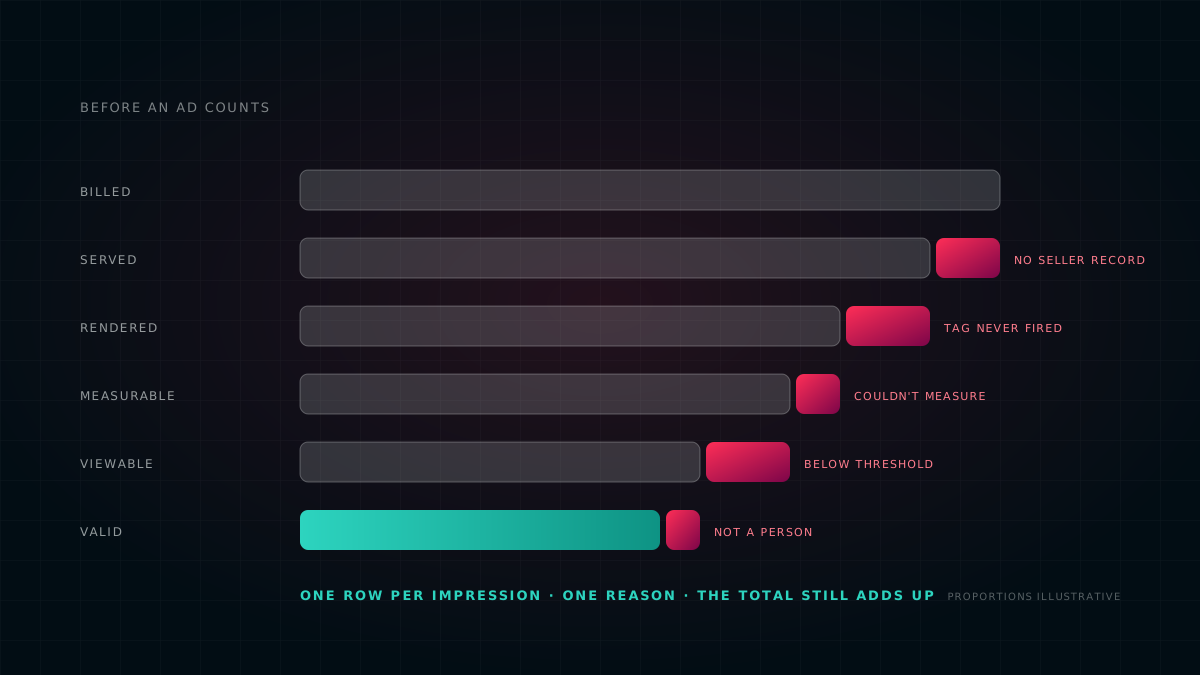
You buy ten thousand ads and the report says fewer. The five questions an impression must answer, the published standard for each, and why we keep two records of every ad.
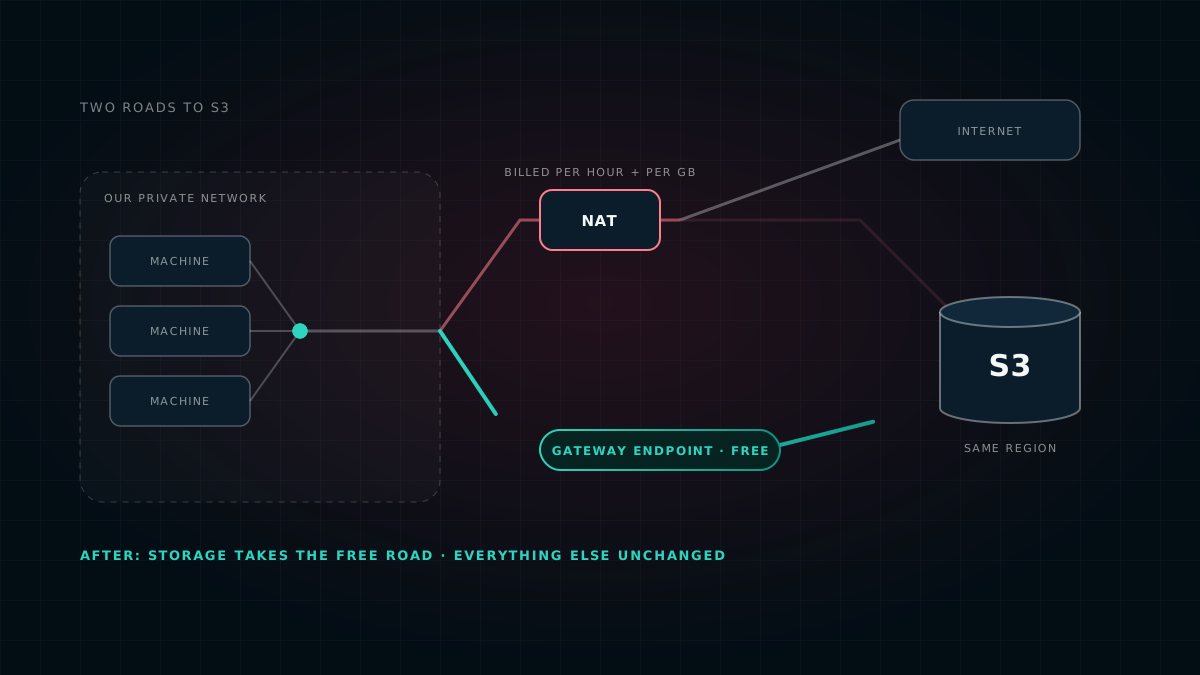
Same-region traffic to S3 is free — unless it passes through a NAT gateway. What we moved, why, when it's worth doing, and the checks to run first.
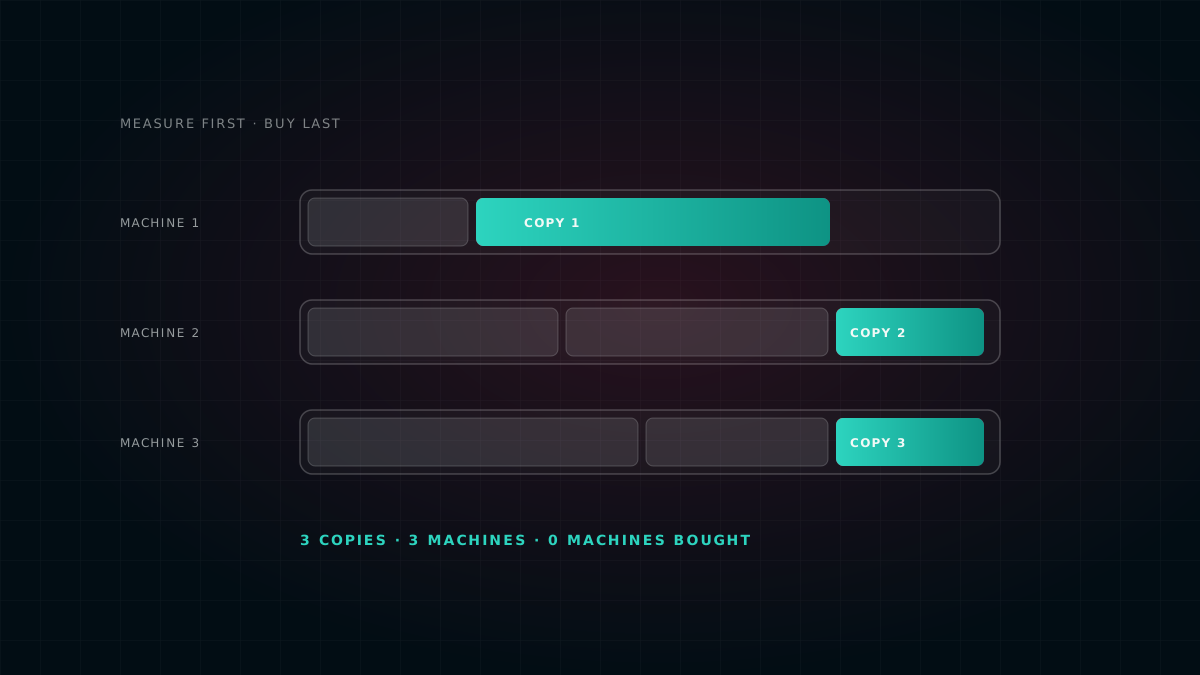
The whole platform is code, one definition serves every environment, and most of our best fixes were a measurement rather than a purchase.
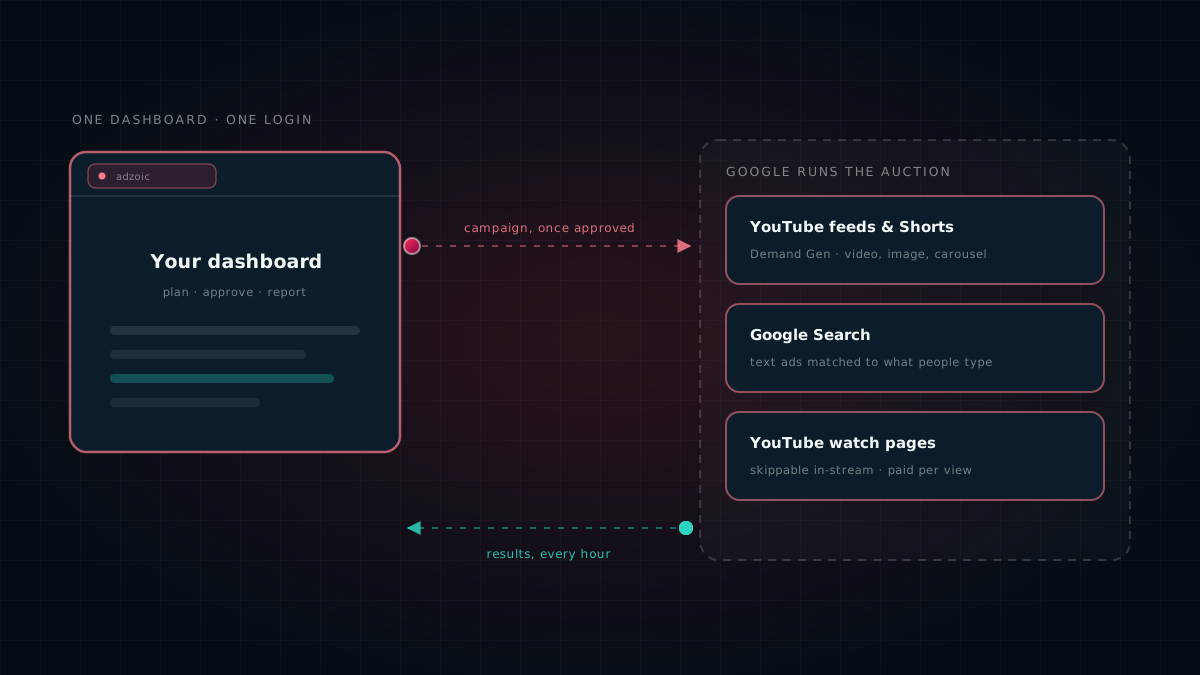
Google campaigns — YouTube feeds, Search and skippable in-stream — planned, launched and reported on from the dashboard you already use.
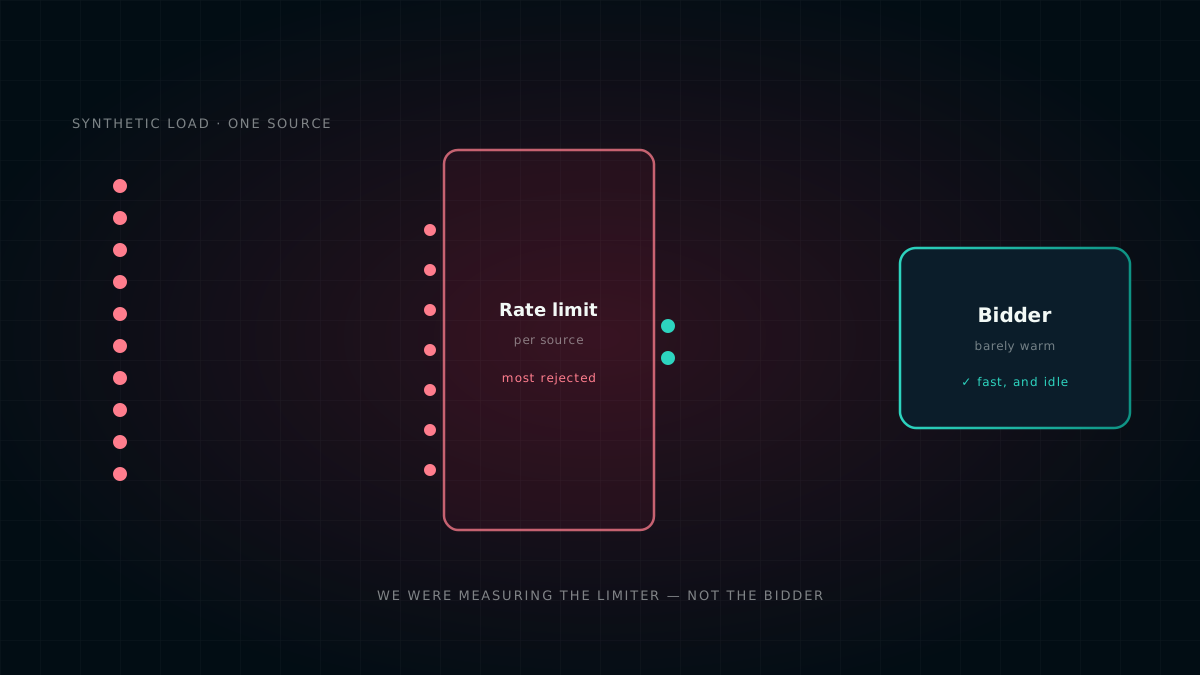
A load test gates every merge. Reading the report properly showed it was measuring our rate limiter, not our bidder — plus what the platform actually handles.
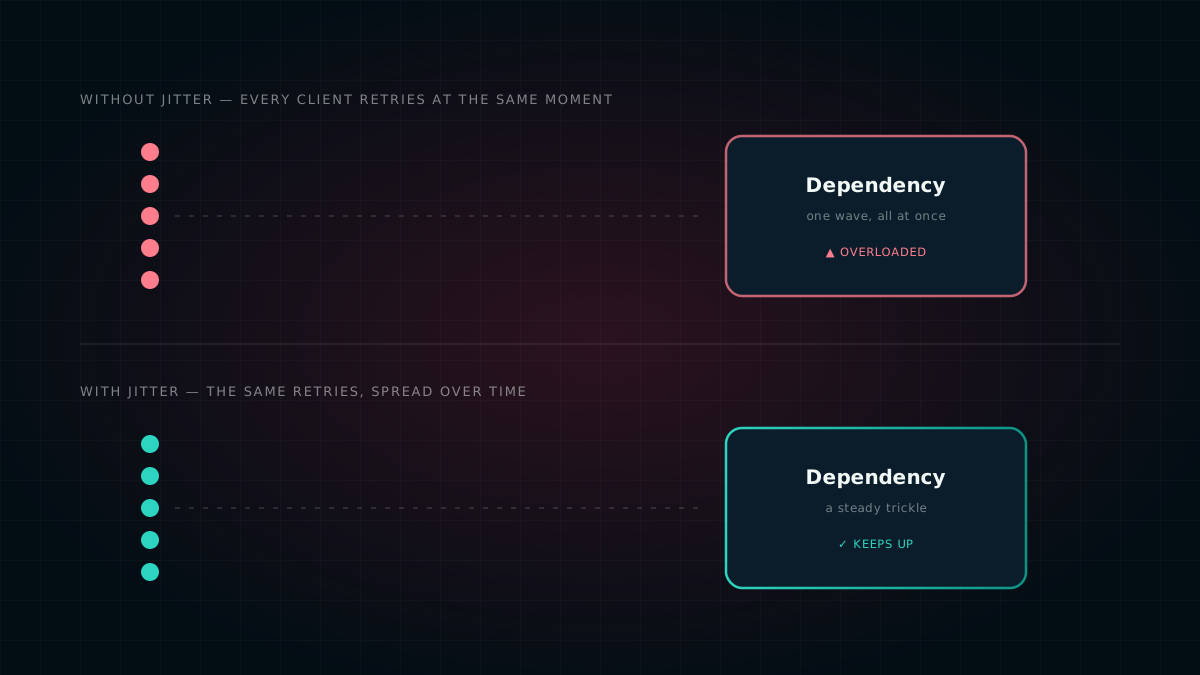
Our retry delay was supposed to be random. It returned the same number 100,000 times — and the test we wrote for it passed.
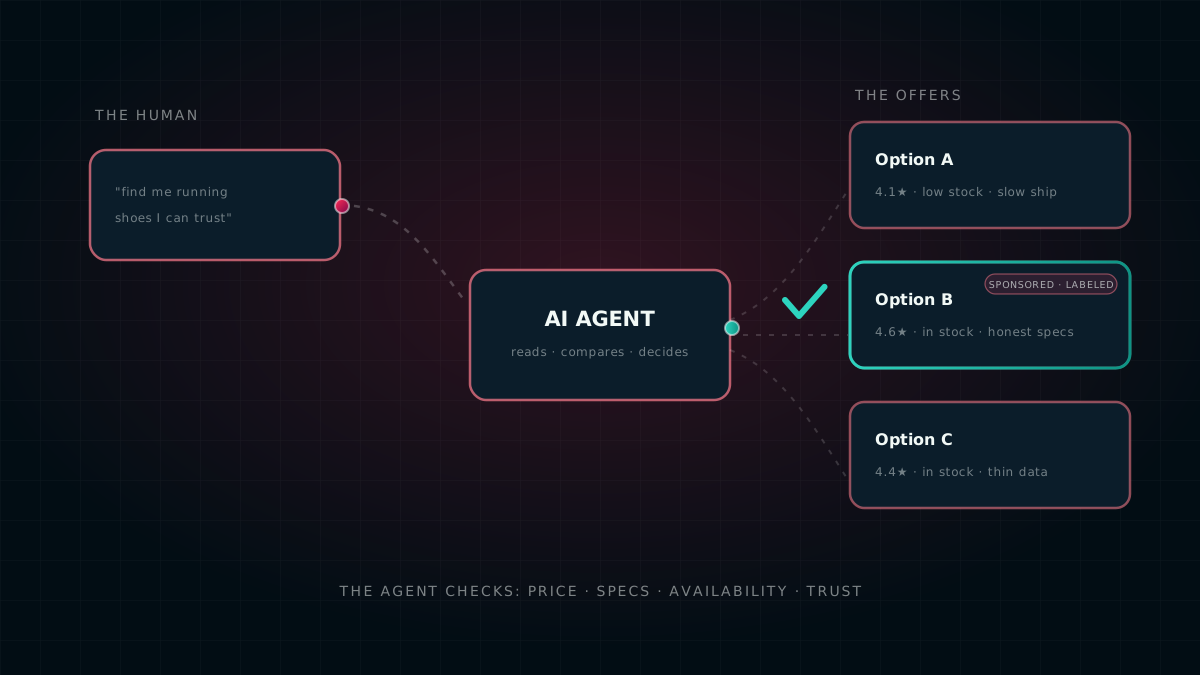
Ads are inside AI assistants now, and agents have started completing purchases. What it means for brands — and why Asia may feel it first.
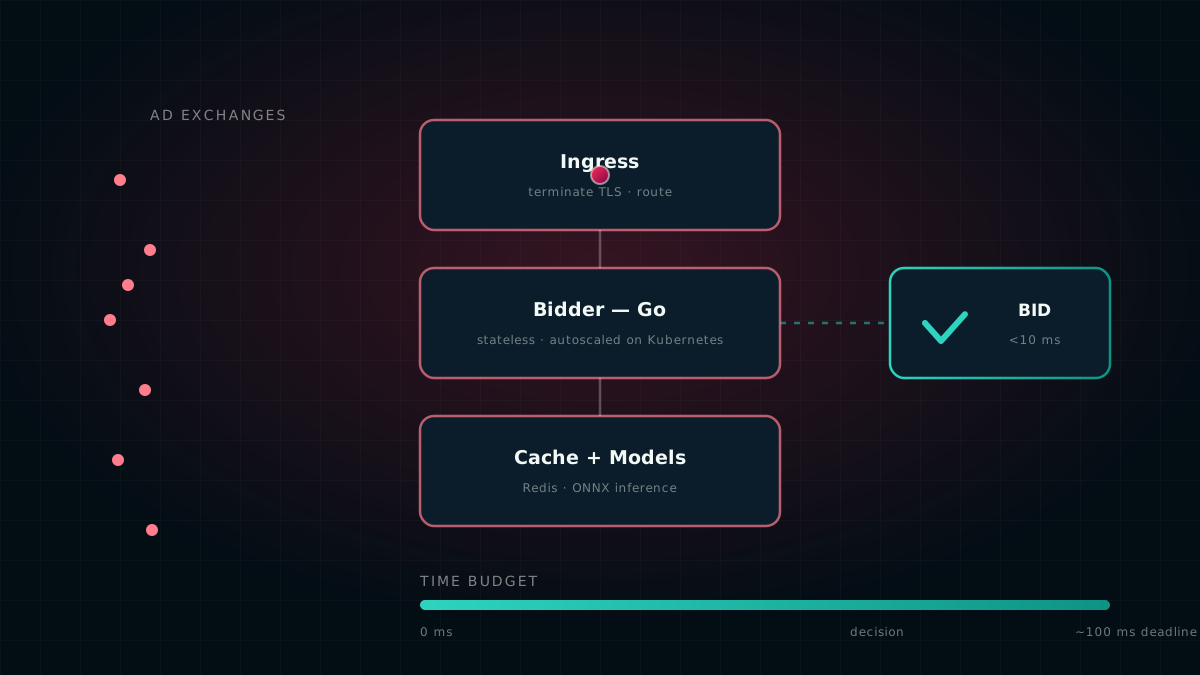
Our stack, system design, security posture and scaling approach — shared openly, with a diagram and honest numbers.
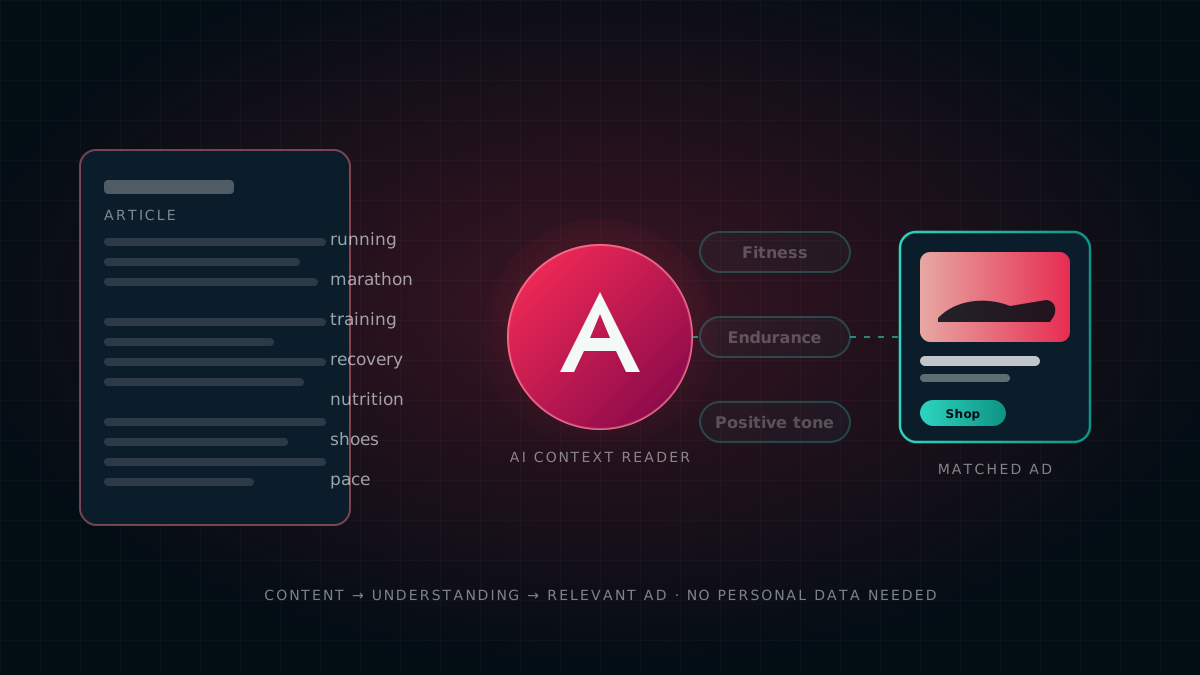
The methods (NLP, embeddings, sentiment, multimodal), what the public research says, and the philosophy behind our approach — no cookies needed.
Google's image-and-video channel for the top of the funnel — and how AdZoic runs it alongside real-time bidding.
Real-time bidding, step by step — from a page opening to the winning ad appearing, faster than you can blink.
Two ways to reach the right people, no third-party cookies required. Here's how they differ and how to combine them.
A look under the hood at predictive bidding: how models forecast value and auto-optimise your spend in real time.
Decode the dashboard. What each number means, what "good" looks like, and which ones to watch.
How pre-bid filtering blocks ad fraud and unsafe content before a cent of your budget is spent.
As third-party cookies fade, the data you own becomes your edge. Here's how to put it to work.
More engineering and open-source write-ups on our developer blog: adzoic.github.io ↗
The fastest way to understand programmatic is to watch it run on your own goals.