Blink. That took you about 100 milliseconds — roughly the same time it takes for an ad to be bought and sold on the page you're about to load. An entire auction, with buyers all over the world, starts and finishes in less time than a blink. Here's how.
What "real-time bidding" actually means
Real-time bidding (RTB) is an automatic auction that happens the instant a page or app starts to load. The moment there's an empty ad slot, the opportunity is broadcast to buyers, they each decide what it's worth to them, and the best useful bid wins. "Real-time" is the whole point: the decision is made fresh, right now, for this exact view — not booked in advance.
The journey, millisecond by millisecond
Follow one ad slot from the moment it opens:
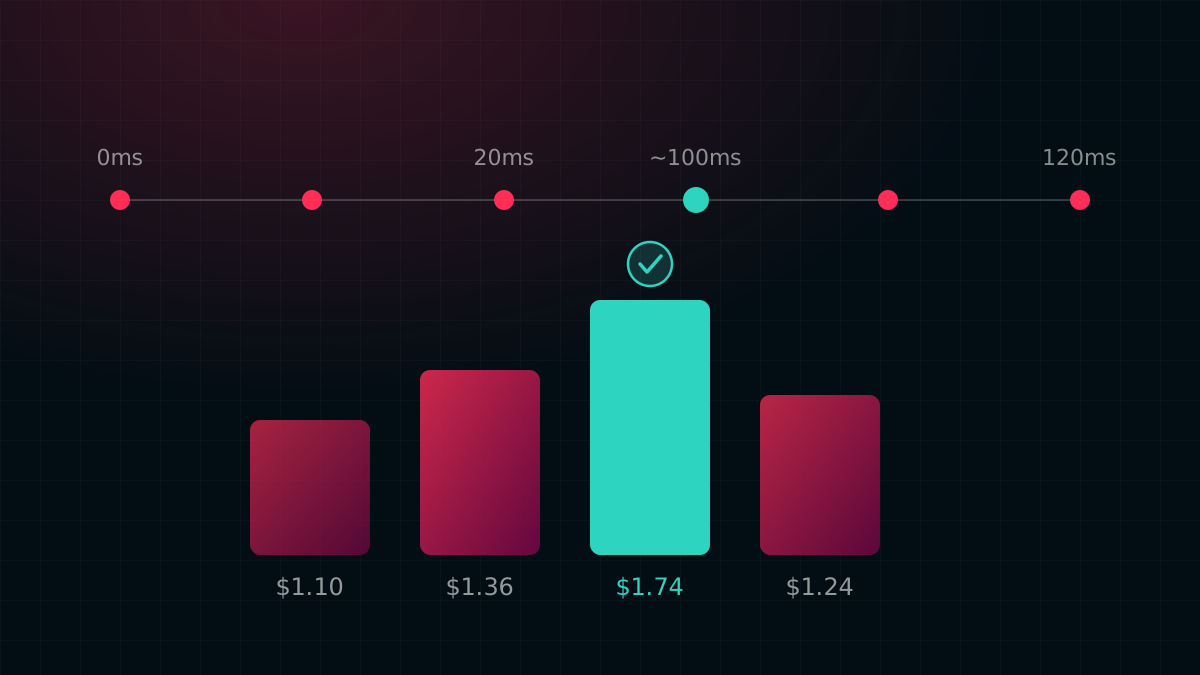
- 0 ms — You open an app or web page. There's a slot that needs an ad.
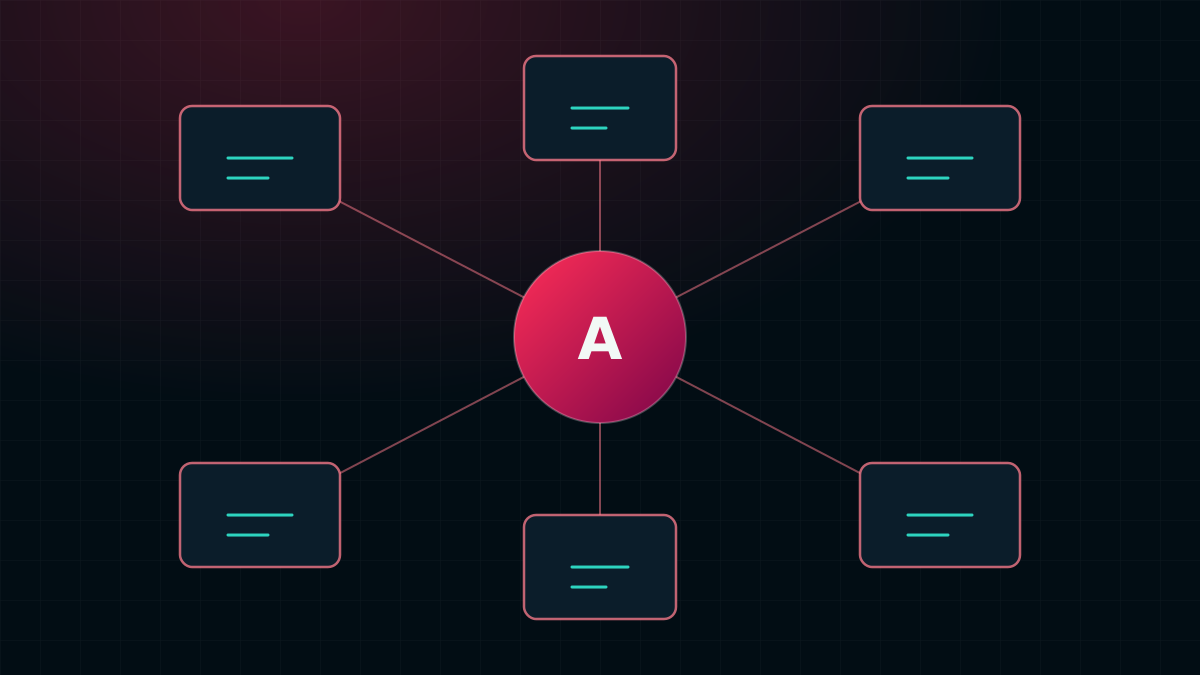
- ~10 ms — The publisher's SSP describes the slot — what it is, what device, roughly who's looking — and sends it to the exchange, which offers it to buyers.
- ~20 ms — Each DSP (AdZoic included) weighs the opportunity against its advertisers' goals.
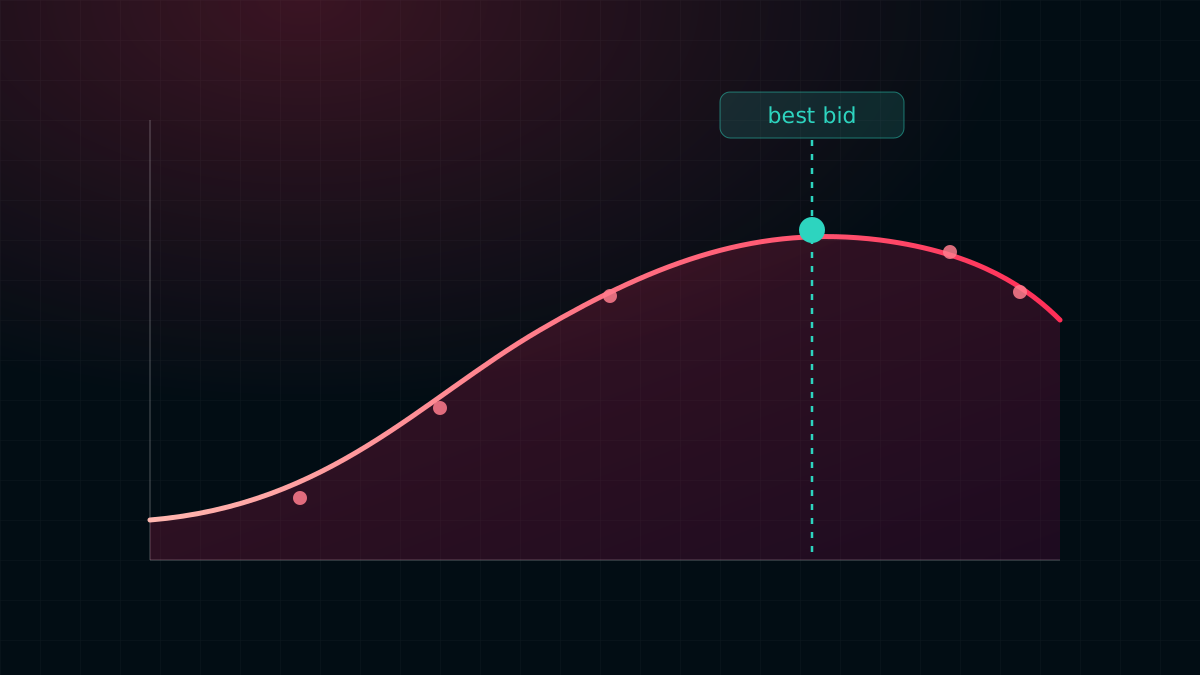
- ~25 ms — Bids come back. A smart DSP offers the lowest price that still wins.
- ~100 ms — The exchange hits its deadline, compares the bids, and picks a winner.
- ~120 ms — The winning ad renders, and measurement starts immediately.
By the time the article you came to read appears, the whole thing is already over.
Why it has to be this fast
Because nobody waits for ads. If the auction slowed the page down, you'd leave — and the publisher knows it. So the exchange sets a hard deadline, usually around 100 milliseconds, for every bid to arrive. Miss it and you're simply not in the running. A good DSP makes its decision in a small fraction of that, leaving room for the round-trip across the internet.
That ~100 ms deadline is the budget for the whole round, including network travel time. The actual "should I bid, and how much?" decision happens in single-digit milliseconds.
Who wins — and what they pay
Most exchanges run a second-price-style auction: the highest bidder wins, but pays just above the second-highest bid rather than their full offer. The idea is that you can bid what a view is truly worth to you without fear of overpaying. Good DSPs go further and "shade" their bids — quietly offering the lowest amount that still wins — so your budget stretches further.
What it means for you
You never touch any of this directly. You set a goal and a budget; your DSP plays in millions of these auctions a day on your behalf, winning the views that matter and skipping the ones that don't. The better its split-second judgement, the more your money buys.
Curious who the players are? Start with what a DSP is, or see how the smartest part — the price — gets decided in how ML values an impression.